

Alisabeth Brown grew up surrounded by famous performers.
She later chose ceramics, glass, and a quieter creative life.
At a Glance
| Detail | Information |
|---|---|
| Full Name | Alisabeth Douglas Brown |
| Born | December 12, 1967 |
| Birthplace | New York City, New York |
| Hometown | New York City and Los Angeles |
| Nationality | American |
| Profession | Artist, potter, glass worker |
| Known For | Ceramics, glasswork, film production |
| Parents | Georg Stanford Brown and Tyne Daly |
| Sisters | Kathryne Dora Brown, Alyxandra Beatris Brown |
| Current Base | Santa Fe, New Mexico |
| Marriage | Not publicly verified |
| Wedding Year | Not publicly verified |
| Children | Public sources identify two children |
| Key Achievement | Building an independent career in visual art |
Public biographical records identify her birth details and family. Her professional profile also confirms her work across ceramics, glass, film, and dance.
Who Is Alisabeth Brown?
Alisabeth Brown is an American visual artist and potter.
She is also the daughter of two respected performers.
Her father is actor and director Georg Stanford Brown.
Her mother is actress Tyne Daly.
Unlike her parents, Alisabeth did not pursue acting.
Instead, she developed a strong interest in physical art forms.
Her career eventually moved toward ceramics and glass.
She now has strong ties to Santa Fe’s creative community.
That career choice gives her story an unusual angle.
She inherited Hollywood connections but chose another creative language.
Early Life and Family Background
Alisabeth was born on December 12, 1967, in New York City.
She grew up between New York and Los Angeles.
Both cities played important roles in her early artistic development.
Her family had deep roots in entertainment and theatre.
Her maternal grandparents were actors James Daly and Hope Newell.
Actor Tim Daly is her maternal uncle.
She also has two sisters.
Kathryne Dora Brown became an actress.
Alyxandra Beatris Brown pursued a different professional direction.

A Family Built Around Creativity
Alisabeth’s background exposed her to creative work early.
Yet her interests developed outside traditional Hollywood performance.
She began studying modern dance at age five.
Her dance training continued for more than 16 years.
Dance became more than childhood recreation.
It taught her discipline, movement, balance, and physical expression.
Those ideas later appeared in her visual artwork.
Her sculptures often use flowing and organic forms.
Education and Artistic Development
Detailed information about Alisabeth’s formal degrees remains limited.
Reliable public sources do not provide a complete academic record.
Her artistic education, however, is better documented.
Modern dance formed an important part of her early training.
She later studied ceramics and explored glassmaking.
Her development came through sustained practice and experimentation.
This distinction matters when discussing her background.
There is no need to invent unverified university credentials.
Verified creative development includes:
- Modern dance training beginning at age five.
- More than 16 years of dance practice.
- Extensive ceramics experience.
- Later experimentation with glass.
- Continued development through studio-based practice.
Alisabeth Brown’s Film Career
Before becoming known for visual art, Brown worked behind the camera.
Her film career began during the 1980s.
IMDb credits her on Club Life in 1986.
She worked there as a production secretary.
She also worked on Vietnam War Story in 1987.
Her listed role was secretary to the producer.
Her film credits continued into the early 1990s.
The American Film Institute lists her on Sister Act.
She received a production-assistant credit for that film.
These credits show an important career transition.
She experienced filmmaking without becoming an on-screen celebrity.
That experience also connected her with production and visual storytelling.
Later, she redirected those interests toward physical materials.
From Dance and Film to Ceramics
Brown’s move into ceramics became a defining career shift.
Her work includes wheel-thrown and hand-built ceramics.
She has also experimented with paper clay.
Paper clay gave her greater freedom with larger forms.
She created sculptural pieces with unusual shapes and balance.
One notable series uses rounded and pointed forms.
Brown described these pieces as her “weeble wobbles.”
Her approach focuses strongly on experimentation.
She does not treat every piece as a perfect technical exercise.
Instead, unexpected results can become part of the artwork.
She has discussed the unpredictability of opening a kiln.
Why Her Dance Background Still Matters
Her dance experience offers an interesting way to understand her sculptures.
Dance depends on movement, rhythm, balance, and form.
Her ceramics often explore those same visual qualities.
Her work does not simply copy dance movements.
Instead, it translates movement into three-dimensional objects.
This connection gives her artistic journey more depth.
Her earliest discipline eventually influenced her later creative practice.
Her Work With Glass
Glass became another important medium for Brown.
She had wanted to explore glass for years.
She later began developing that interest in Santa Fe.
Her glass practice includes kiln-formed and blown glass.
She has explored transparency, color, texture, and light.
Working with glass also changed her creative process.
Unlike ceramics, collaboration became more important.
She sometimes worked with a professional glass artist.
Brown described communicating designs through drawings and verbal direction.
That process required a different kind of artistic control.
She had to communicate ideas rather than shape everything herself.
Why Santa Fe Became Important
Santa Fe became a major chapter in Brown’s life.
The city has a strong community of working artists.
Brown has described Santa Fe as a creative haven.
Her connection with the city also shaped her studio practice.
She found an environment supporting independent creative work.
Santa Fe Found profiled her as a local potter and glass worker.
The profile documented her artistic methods and creative philosophy.
A separate creative biography also places her in Santa Fe.
It describes her work across sculpture, ceramics, glass, and design.
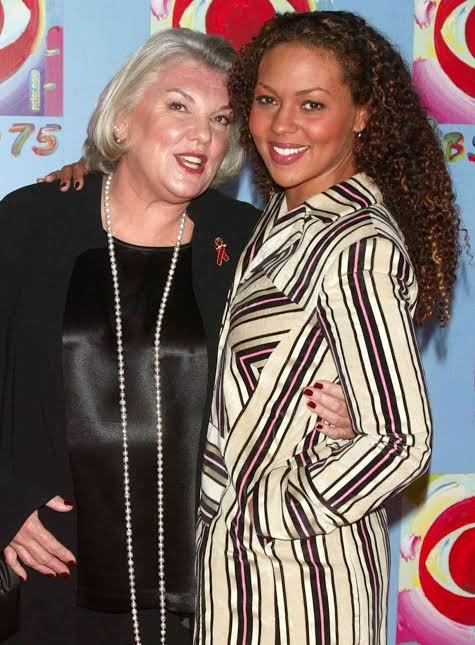
Personal Life, Marriage, and Family
Brown’s family background is well documented.
Her parents and sisters are publicly identified.
Her mother, Tyne Daly, has three daughters.
Alisabeth is the eldest among them.
Public sources also identify Brown as a mother.
Recent profiles name her children as Hana and Fynn.
However, marriage details require more caution.
A reliable public source does not clearly verify her spouse.
Her wedding year also remains unconfirmed.
Therefore, those details should not be presented as established facts.
This is important because celebrity-family biographies often contain errors.
Private information should remain private unless reliably documented.
Alisabeth Brown’s Net Worth
There is no reliable public figure for Brown’s net worth.
Online estimates should therefore be treated cautiously.
Her artistic career does not provide enough financial data.
There are no verified public records showing her assets.
Gallery sales also do not establish personal wealth.
Best-supported conclusion: her net worth is unconfirmed.
Avoid websites presenting an exact dollar amount without evidence.
A precise number would create false certainty.
What Makes Alisabeth Brown’s Story Different?
Brown’s story is not simply about celebrity family connections.
Her more interesting achievement is creative independence.
She moved through several artistic disciplines before finding her direction.
Her journey follows a distinctive sequence:
Dance → Film Production → Ceramics → Glass → Independent Art
Each stage added a different skill.
Dance developed discipline and movement.
Film introduced production and visual storytelling.
Ceramics added direct physical craftsmanship.
Glass expanded her relationship with light and transparency.
That combination makes her career unusual.
It also explains why her work crosses several creative fields.
Frequently Asked Questions
Who is Alisabeth Brown?
Alisabeth Brown is an American visual artist and potter.
She is also the eldest daughter of Tyne Daly and Georg Stanford Brown.
Her professional work includes ceramics and glass.
She previously worked behind the scenes in film production.
She has built her artistic career around Santa Fe.
When was Alisabeth Brown born?
Alisabeth Brown was born on December 12, 1967.
Her birthplace was New York City, New York.
IMDb lists Alisabeth Douglas Brown as her birth name.
Who are Alisabeth Brown’s parents?
Her parents are Georg Stanford Brown and Tyne Daly.
Both built established careers in American entertainment.
Her mother is especially known for Cagney & Lacey.
Her father worked as both an actor and director.
What does Alisabeth Brown do?
Brown works as a visual artist.
Her practice includes pottery, ceramics, and glasswork.
Her work often explores organic shapes and material qualities.
Where does Alisabeth Brown live?
Public professional profiles place Brown in Santa Fe, New Mexico.
Santa Fe has played an important role in her artistic career.
Final Perspective
Alisabeth Brown’s life offers a different celebrity-family story.
She grew up around Hollywood but did not chase fame.
Instead, she developed a career through materials and craftsmanship.
Her path moved from dance into film production.
It later evolved into ceramics, sculpture, and glass.
Her story shows that creative success has many forms.
For Brown, independence became more important than celebrity visibility.
Sources: IMDb and the American Film Institute document her film credits and biography. Santa Fe Found provides first-person details about her artistic process. Mink River’s artist biography documents her dance, ceramics, glass, and Santa Fe work.
Read more:Solita Liliana Rivera: Life Beyond a Famous Family